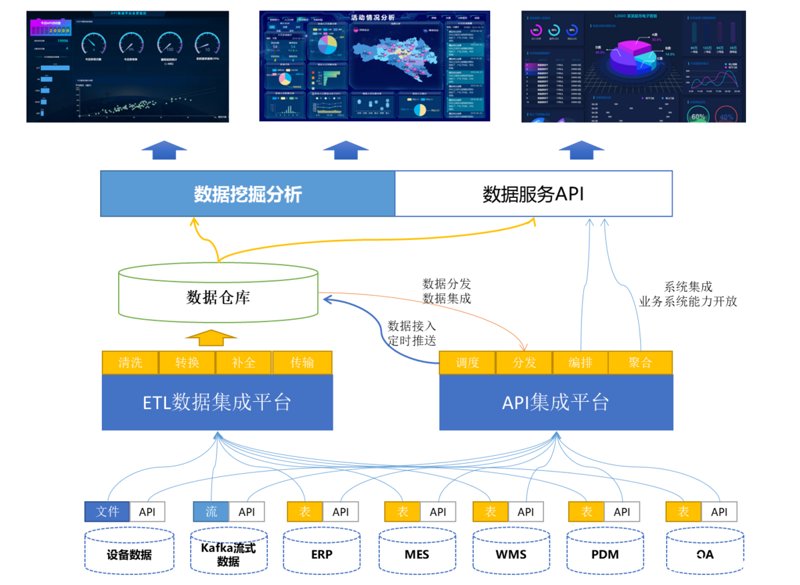
As an IT solutions manager, your role is multifacated and crucial for the success of any organization. You are the bridge between technical implementation and business strategy, ensuring that technology aligns with the company's goals. Let’s break down some key responsibilities and see how they can be effectively managed.
- Strategy Development: Develop IT strategies that support business objectives. This includes identifying technological gaps and opportunities for improvement. Compare your current tech stack against industry best practices to ensure you’re not lagging behind.
- Industry Example:
- Project Management: Oversee project initiation, planning, execution, monitoring, control, and closure. Ensure projects are completed on time, within budget, and meet quality standards. Use tools like Gantt charts to manage timelines effectively.
- Gantt Chart Example:
In the healthcare sector, an effective IT solution might involve implementing electronic health records (EHR) systems that improve patient care and compliance. Contrast this with a scenario where manual record-keeping still prevails, highlighting the benefits of modernization.
For a software development project, create a detailed timeline that includes milestones such as requirements gathering, design phase, coding, testing, and deployment.
By understanding these responsibilities and using appropriate tools and techniques, you can effectively lead IT initiatives and contribute significantly to your organization's growth and success. Remember, the goal is not just to implement technology but to transform it into a strategic asset that drives business results.